
Smog Check Dublin 2026: Your Complete Guide
You just got the renewal notice, and now you're trying to figure out one thing fast, where do I go for a smog check in Dublin without wasting half the day? If your car is due, the wrong station choice can cost you time, force a second trip, or send you to a lane that can't even test your vehicle type.
The smart move is simple. Check whether your vehicle needs a test this year, match it to the right station type, and show up with a warm, ready car. That's how you avoid the usual scramble and get the registration handled without dragging it out.
Table of Contents
- Why Dublin Drivers Need to Plan Their Smog Check
- California Smog Check Requirements Explained
- How to Prepare Your Vehicle Before the Test
- Common Reasons Vehicles Fail and How to Fix Them
- Choosing Between Test-Only and Test-and-Repair Stations
- Combining Your Smog Check with DMV Registration Renewal
- Your Action Plan for a Stress-Free Smog Check
Why Dublin Drivers Need to Plan Their Smog Check
A Dublin driver gets the renewal notice, glances at the deadline, and assumes the smog part will be easy. Then they show up at the nearest station with the wrong vehicle type, a dead check engine light issue, or a diesel that needs a different setup. That's how a quick errand turns into an all-day mess.
The problem starts before you leave home
California ties Smog Check timing to registration renewal, and the state says the first test is generally due eight model years after the model year for qualifying vehicles (California Bureau of Automotive Repair). That means you don't want to wait until the last minute and then discover the car needs attention before it can pass.
Practical rule: If the renewal notice says smog is required, treat it like a deadline, not a suggestion.
The other reason to plan ahead is simple. A station that can test a standard passenger car may not be the right place for a diesel, RV, or hybrid with special equipment needs. Dublin listings make this obvious if you look closely, but the generic storefront language usually hides the operational details.
Why last-minute visits go sideways
A rushed visit often means the car hasn't been driven enough for the onboard monitors to complete, the engine is still cold, or the driver hasn't checked obvious issues first. If the car fails, you've now got a second deadline, a repair decision, and a registration problem all at once.
That's also why pairing the smog visit with your DMV errand matters. If your station handles registration work too, you can finish more in one stop and stop burning time on separate trips. For East Bay drivers, that's the difference between a controlled errand and a day spent chasing paperwork.
California Smog Check Requirements Explained
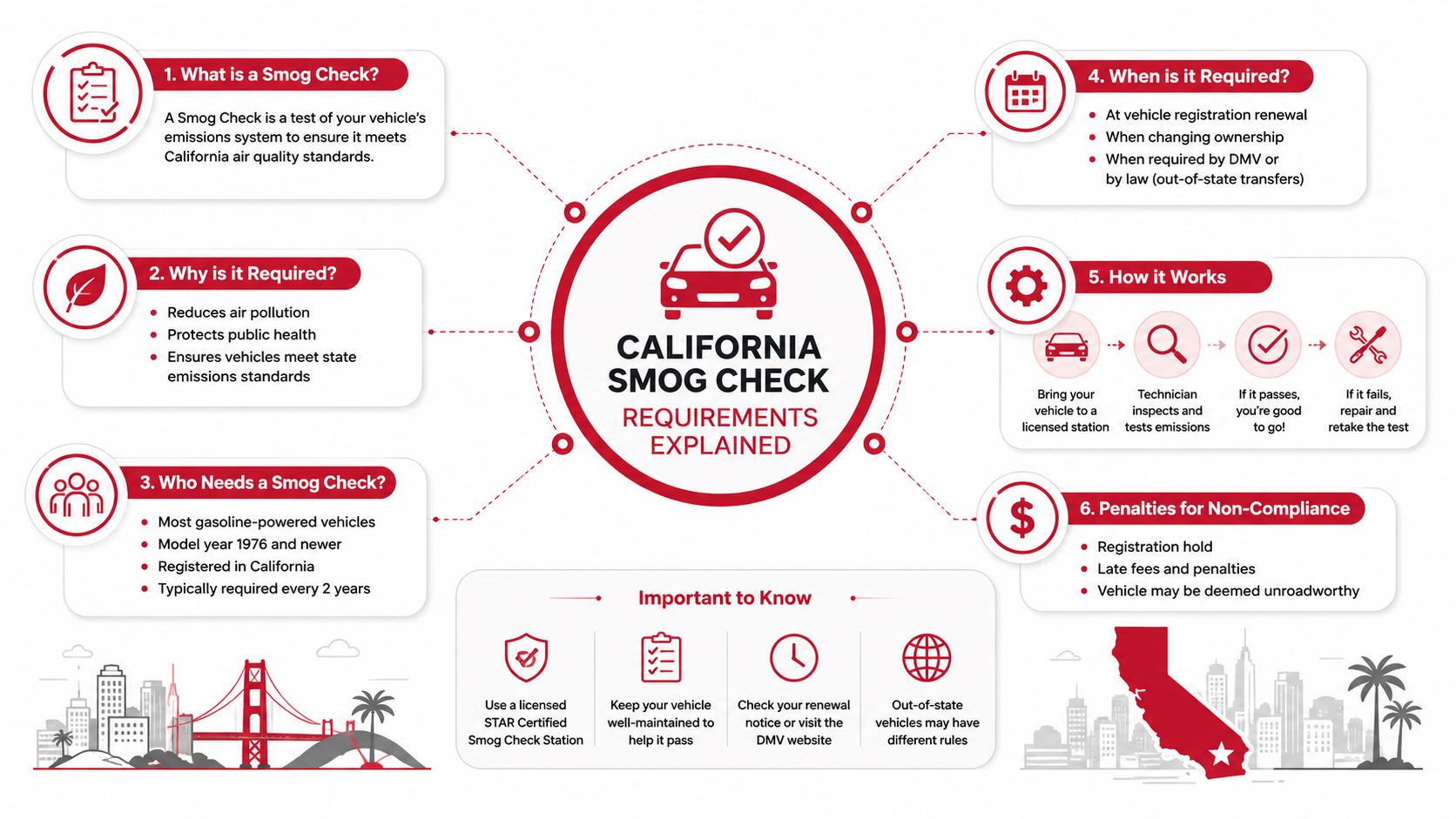
A Dublin driver usually finds out the hard way that California's Smog Check rules are tied to registration renewal. Most gasoline, hybrid, and alternative-fuel vehicles model year 1976 and newer need a Smog Check every other year, and the first one is generally due eight model years after the model year. The state lays out the basics here: California Bureau of Automotive Repair. If you own a 2020 model-year vehicle, you should expect the first requirement to show up for 2028 registration renewal.
Understanding station labels
The station label matters because the wrong shop can leave you stuck with a failed trip and no completed test. California uses test-only, test-and-repair, and STAR stations, and STAR stations are held to higher performance standards for inspecting higher-polluting vehicles. That label tells you what the station can legally do, so check it before you leave home.
A test-only station checks the vehicle and stops there. A test-and-repair station can inspect the car and handle fixes in the same place, which is the better move if you already know the car has a problem. A STAR station is the stricter option, and if your renewal paperwork calls for one, do not assume a regular smog shop will qualify.
Match the requirement to the vehicle
Passenger cars are usually simple. Diesels, hybrids, RVs, vans, trucks, and motorhomes need a closer look because station equipment, lane size, and certification can differ from one place to another. The first question is not which shop is closest. The first question is whether that station can test your exact vehicle without wasting your time.
Here's the practical breakdown:
- Standard daily driver: Use a station that handles your vehicle class and the certification your renewal notice expects.
- Diesel, hybrid, RV, or motorhome: Call ahead and confirm the station can test that setup, including any size or equipment limits.
- STAR notice: Do not guess. Go only to a station that is authorized for that requirement.
If you want one less errand, pair the smog visit with DMV registration renewal at a station that offers both services. That saves a second stop and keeps the paperwork moving in one trip.
How to Prepare Your Vehicle Before the Test
The best smog check is the one you pass the first time. That doesn't happen by luck, it happens because you show up with a car that's ready for the inspection computer to read it correctly.
Get the monitors ready
Drive the vehicle enough before the appointment that the onboard system has time to complete its checks. A common rule of thumb is to put enough miles on the car before test day so the readiness monitors have had a chance to set. If the car has been sitting, don't bring it in cold and expect a smooth result.
Practical rule: Warm engine, normal driving history, no shortcut attempts.
You should also pay attention to the dashboard. If the check engine light is on, stop treating the visit like a routine errand. That light is often the first clue that the car needs diagnosis before testing, not after. The same goes for rough idling, sputtering, or anything that tells you the engine isn't running cleanly.
Handle the obvious stuff first
A loose gas cap is a small problem that can create a big headache. Make sure it seals properly and looks undamaged before you head out. If the cap is cracked or won't tighten correctly, replace it first.
Use this quick prep list:
- Confirm the dashboard is clear: No warning lights, especially no check engine light.
- Inspect the gas cap: Tighten it fully and replace it if the seal looks worn.
- Drive the car normally beforehand: Don't park it for days and then rush to the station.
- Fix basic maintenance items: If oil changes, filters, or ignition service are overdue, handle them first.
- Book a warm-time appointment: Late morning or early afternoon usually beats a cold-start visit.

The station can only test what shows up in front of it. If the car is already borderline, your prep work is what keeps the visit from turning into a repair estimate.
Common Reasons Vehicles Fail and How to Fix Them
Most smog failures aren't mysterious. They usually come down to a handful of predictable issues, and once you know the pattern, you can decide whether the car needs quick maintenance or real repair work.
The usual failure points
A lit check engine light is the obvious one. If that light is on, the car needs diagnosis first because the computer already knows something is wrong. Another common problem is incomplete onboard diagnostic monitors, which means the car hasn't finished the internal checks the smog machine needs to see.
Exhaust and emissions hardware matter too. A worn catalytic converter, tired oxygen sensor, or bad evap sealing can push the vehicle out of range. Those problems usually show up as drivability issues, poor fuel control, or recurring warning lights, not just a failed test printout.
For a deeper breakdown of failure patterns, I'd send drivers to this guide on smog check fail reasons.
What the fix usually looks like
Small problems are often cheap and fast to correct. A gas cap is a simple replacement. A monitor that isn't ready may just need more driving time after the repair has been cleared. Sensor or converter problems are a different story, because those usually need diagnosis, parts, and a real repair plan.
If the car failed because the computer sees an active fault, don't waste a test fee on a second guess. Fix the fault first.
Owners often lose money this way. They show up hoping the car will “just pass,” fail the test, and then pay again after the repair. If you already know the vehicle has symptoms, get the diagnosis first and the inspection second.
Choosing Between Test-Only and Test-and-Repair Stations
This decision matters more than most Dublin drivers realize. If you pick the wrong type of station, you may lose time, lose trust in the result, or miss the easiest path for your situation.
Test-only keeps the process clean
A test-only station inspects the vehicle and stops there. No repair sales, no pressure to buy parts, no built-in conflict between the test result and the repair estimate. If you want a straightforward certification and nothing else, that's the cleaner setup.
That's why I usually point cautious drivers toward a test-only lane when they already have a repair shop they trust. If the car fails, they can take the result elsewhere and compare options without being locked into the same place.
Test-and-repair is about convenience
A test-and-repair station makes sense when you suspect the car may need work and you'd rather handle diagnosis and repair in one stop. That's useful for drivers who don't want to bounce between two businesses.
For Dublin drivers with specialized vehicles, the question is whether the station can test what you drive. Some local listings advertise diesel, hybrid, RV, and gross-polluter coverage, while others don't. That's why I tell people to call ahead instead of gambling on a web listing.
One local option is Fire House Smog's test-only center, which fits drivers who want a certification-focused visit and no repair upsell. I'd still verify vehicle type before heading over, especially for larger or less common rigs.
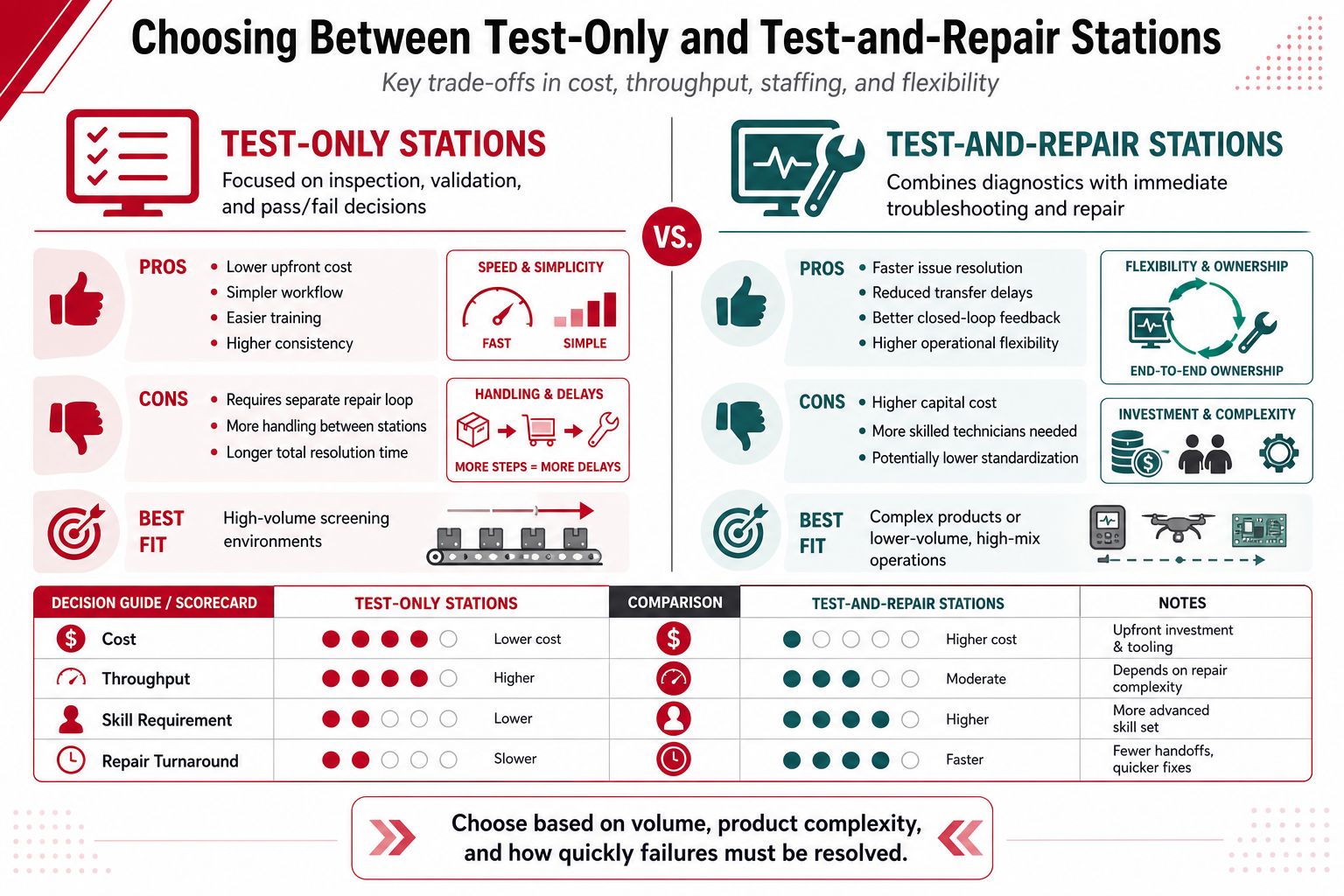
The short version is this. If you want an unbiased inspection, choose test-only. If you expect to need repair work and want one stop, choose test-and-repair. If your vehicle is unusual, confirm the lane can handle it before you leave the driveway.
Combining Your Smog Check with DMV Registration Renewal
This is the time-saving move most drivers miss. If the station is also a licensed DMV registration service provider, you can usually handle the smog test and the renewal work without bouncing across town.
What you can often finish in one trip
On-site DMV services commonly cover registration renewal, sticker printing, and ownership transfer work. That means you can leave with the compliance task wrapped up instead of waiting for a separate office visit and mailing cycle. For busy drivers, that's the whole point.
Bring the documents the station asks for and keep them together before you arrive. If you're renewing, that usually means your registration paperwork and any items tied to the vehicle record. If you're transferring ownership, you need the transfer documents ready so the clerk isn't chasing missing signatures.
The registration side of the process is handled as a service, not a guess, so it helps to review the station's DMV page first. A useful local reference is California DMV registration renewal service information.
Why this saves more than time
A combined stop also cuts down on delays caused by office hours and crowded counters. If the station offers evening or weekend availability, you get more flexibility than a standard weekday DMV visit. That matters for working people who can't afford to take a half-day off just to chase a sticker.
For fleet owners and anyone managing more than one vehicle, the benefit is even bigger. One stop, one line, one set of documents, and less chance of forgetting a step between the test and the renewal.
Your Action Plan for a Stress-Free Smog Check
Start with the notice, not the station. Confirm whether your vehicle needs a Smog Check this cycle, then match it to the right lane, test-only, test-and-repair, or STAR if your paperwork calls for it (California Bureau of Automotive Repair). If you drive a diesel, hybrid, RV, or other less common setup, call ahead and make sure the shop can test it.
The simplest way to do it right
- Check the renewal notice. Don't guess about timing.
- Choose the correct station type. Match certification to the car.
- Prep the vehicle first. Warm it up, clear obvious issues, inspect the cap.
- Book a sensible appointment time. Avoid rolling in cold and unprepared.
- Bring your DMV paperwork if you want same-trip renewal.
- Ask about retest policy before you pay.
Keep your expectations tight and your checklist short. That's how you stay in control of the process instead of letting the process control your day.
If you want a smog visit that's fast, test-only, and built around getting you in and out without repair pressure, Fire House Smog handles STAR-certified testing and DMV registration services in one place. Call ahead if you drive something unusual, bring the right paperwork, and make the trip once instead of twice.