
The inspection itself typically takes about 30 minutes. Your total visit may take longer because check-in, paperwork, payment, vehicle positioning, and any queue happen outside the hands-on test.
You may be asking because a registration deadline is approaching, your workday is already planned around a short stop, or you don't want to arrive at a smog station and discover that “30 minutes” means something different than you expected. For a California STAR Smog Check, the most useful distinction is between inspection time and total visit time.
The technical inspection is only one stage. A test-only station may also need to verify vehicle information, position the car, complete required documentation, process the result, and manage vehicles waiting ahead of you. Understanding that sequence makes it easier to choose an appointment or walk-in time without building your entire day around an uncertain estimate.
Table of Contents
- Understanding the Star Test Timeline
- The Two Phases of Your Smog Check Visit
- Key Factors That Extend Test Duration
- What to Expect at a STAR Test-Only Station
- Comparing Standard and Extended Timelines
- Tips to Minimize Time Spent at the Station
Understanding the Star Test Timeline
Your registration deadline is close, and you have planned a quick stop before work. At a STAR test-only station, the inspection may fit into that window, but the full visit follows a longer path from arrival to certification.
At Fire House Smog, separate the inspection time from the waiting and administrative time around it. The hands-on inspection is the technical portion. A line, vehicle positioning, data entry, paperwork, certificate processing, or payment can add time before or after that work. This distinction gives you a more useful answer to “How long is STAR testing?” and helps you reserve time without treating the estimate as a guarantee.
The working estimate
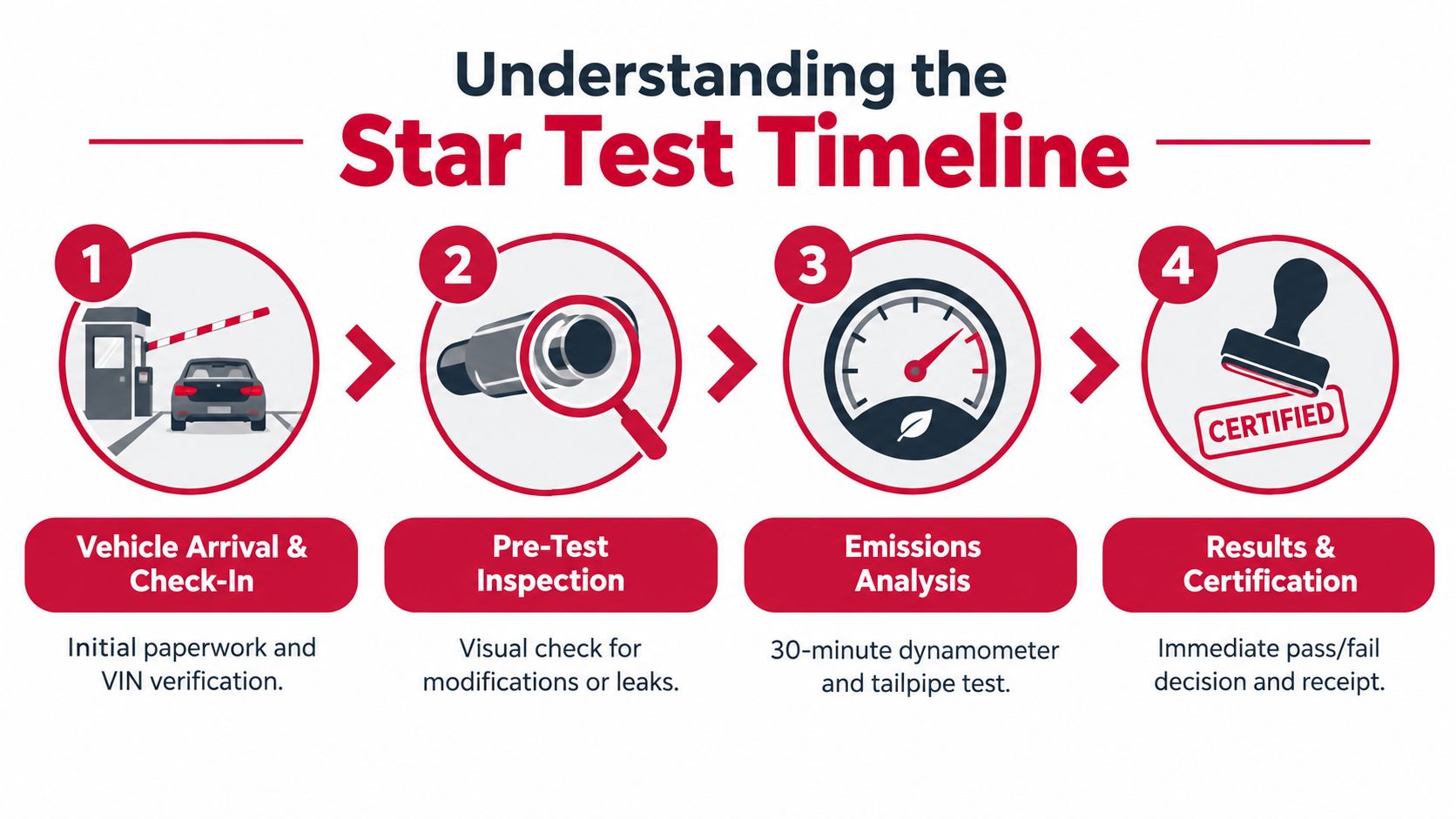
The timeline works like a short sequence with four parts:
- Arrival and check-in, when the station records the vehicle and customer details.
- Pre-test checks, including the visual and functional portions that apply to the vehicle.
- Emissions analysis, the main technical part of the inspection.
- Results and certification, when the outcome and receipt are processed.
The California Bureau of Automotive Repair's STAR FAQ explains that a thorough inspection can take 20 minutes or more, while its practical estimate is about 30 minutes for the inspection itself (California Bureau of Automotive Repair's STAR FAQ). Use the 20-minute figure as an indication of the hands-on work, and reserve 30 minutes as the more useful planning allowance for the inspection's required procedures.
Practical rule: Reserve about 30 minutes for the inspection, then add personal buffer for a possible line and administrative processing.
That extra margin can protect your work schedule, DMV plans, or school pickup if the station is busy. For a broader explanation of the steps surrounding the technical test, see this guide to how long a smog check takes.
The Two Phases of Your Smog Check Visit
A STAR visit becomes easier to understand when you separate it into intake and processing first, followed by the technical inspection. The phases connect, but they don't take place in the same way or require the same information from you.
Phase one, intake and processing
The first step is administrative. The station needs to identify the vehicle, record the relevant information, and prepare the order for inspection. You may need to provide registration details or answer questions about the vehicle, while the technician confirms what type of testing applies.
This stage helps prevent an incorrect test. The vehicle's age, equipment, readiness status, and inspection requirements affect the workflow, so accurate information at check-in gives the technician a clearer starting point. A queue can also form here if several customers arrive at once, even when the inspection bay itself is available.
Keep your registration information accessible and tell the technician if the battery was recently disconnected or replaced. That detail can affect whether the vehicle is ready for testing, as explained in the California BAR smog check overview.
Phase two, the technical inspection
Once intake is complete, the vehicle moves through the applicable inspection procedures. For most vehicles from 2000 and newer, the process includes an OBD inspection, which checks information from the onboard emissions system. Vehicles built before 2000 generally receive a tailpipe emissions test instead, according to the BAR smog check requirements.
The technician may also perform a visual inspection of emissions-control hardware and functional checks. These steps aren't optional extras. They help establish whether the vehicle's emissions equipment is present and operating according to the applicable requirements.
After the technical work, the result is recorded and the customer receives the relevant documentation. A passing result may allow you to continue with registration tasks, while a failing result means you'll need to address the identified problem before seeking another test.
The key planning point is simple: the inspection clock starts after intake and vehicle preparation, not necessarily when you first enter the station.
Key Factors That Extend Test Duration
The about 30-minute estimate works best for a vehicle that is ready, a station with manageable workload, and a test that proceeds without complications. Several conditions can change that experience before or during the inspection.
Vehicle age and inspection type
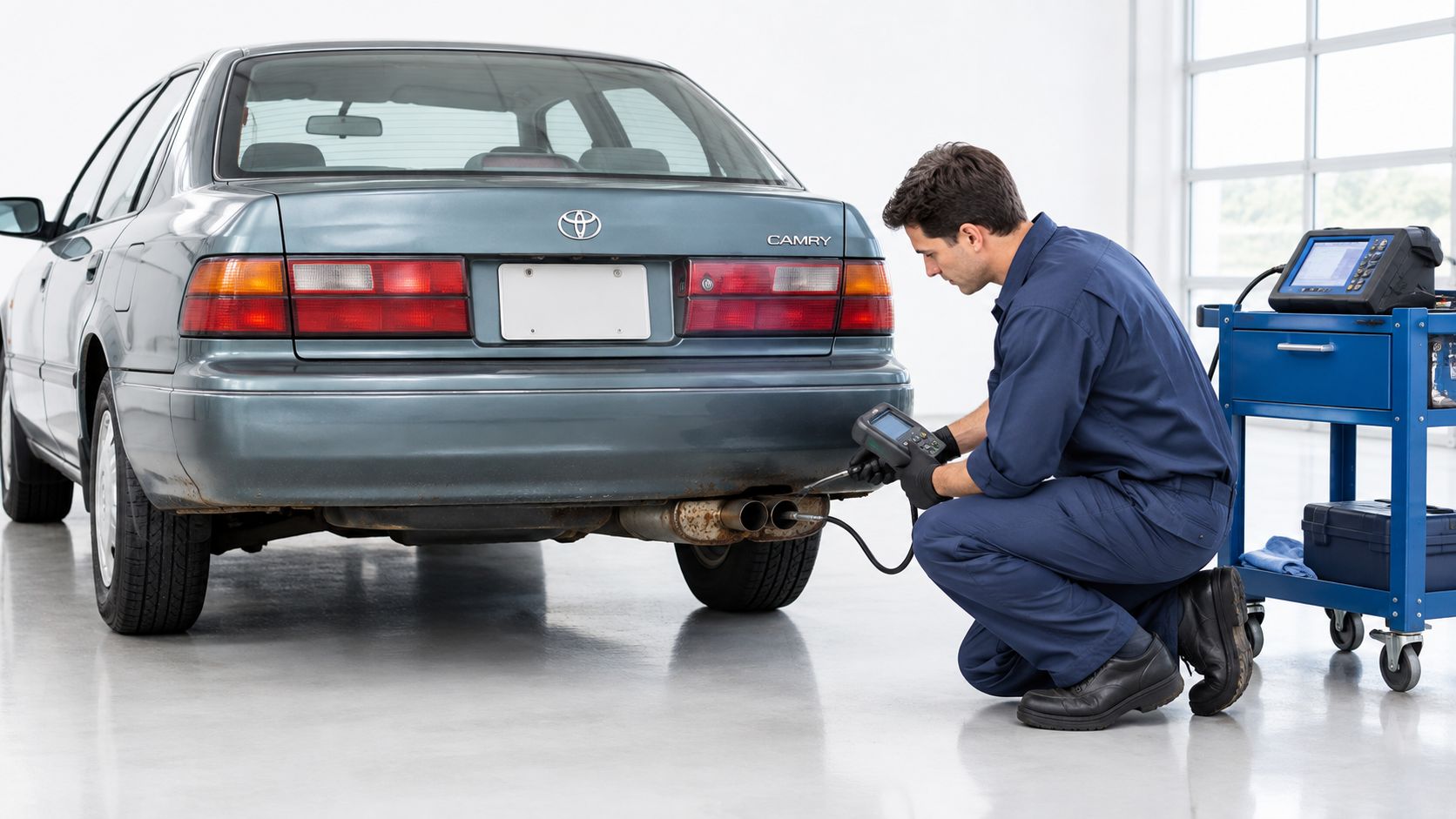
The vehicle's model year affects the technical path. Most vehicles from 2000 and newer typically receive an OBD inspection, while pre-2000 vehicles generally receive a tailpipe emissions test. The inspection can also vary by vehicle type, applicable procedures, and the technician's familiarity with that vehicle.
A STAR station meets higher performance standards and may inspect vehicles that require STAR testing, including high-polluting vehicles. STAR status doesn't create a separate fixed-duration test protocol. It identifies the station's authorization and performance category, while the actual work still depends on the vehicle and required procedures.
Readiness monitors and battery history
A recently disconnected or replaced battery can create a delay that no station can solve by moving your car ahead in line. California requires driving for roughly a week or two in some circumstances so emissions-readiness monitors can reset before the vehicle is tested. If the monitors aren't ready, the visit may end without a completed passing inspection.
The OBD readiness monitor information can help you understand why a vehicle may need preparation before arrival. The important distinction is between waiting at the station and waiting for the vehicle's computer to complete its monitoring cycle. The second may require time on the road before testing can proceed.
Warning lights and station workload
An illuminated check-engine light signals a condition that must be repaired before a passing result is possible. Testing the car sooner doesn't remove that requirement, and attempting a test without addressing the issue can turn a planned certification visit into a repair appointment.
Queue length also matters. A station may complete the technical inspection efficiently while customers still wait for a bay, intake, or final paperwork. This short video provides additional visual context for the emissions testing process.
What to Expect at a STAR Test-Only Station
You arrive expecting one task, but the visit runs on two clocks. The first is the hands-on inspection in the bay. The second covers check-in, vehicle and registration details, result entry, and certification paperwork. Separating these stages gives you a clearer estimate than treating the entire visit as one block of testing time.
A test-only station performs the inspection and records the outcome. It does not handle emissions repairs as part of that appointment. If the vehicle does not pass, you can take the result to a repair provider of your choice rather than making an on-the-spot decision about station repairs.
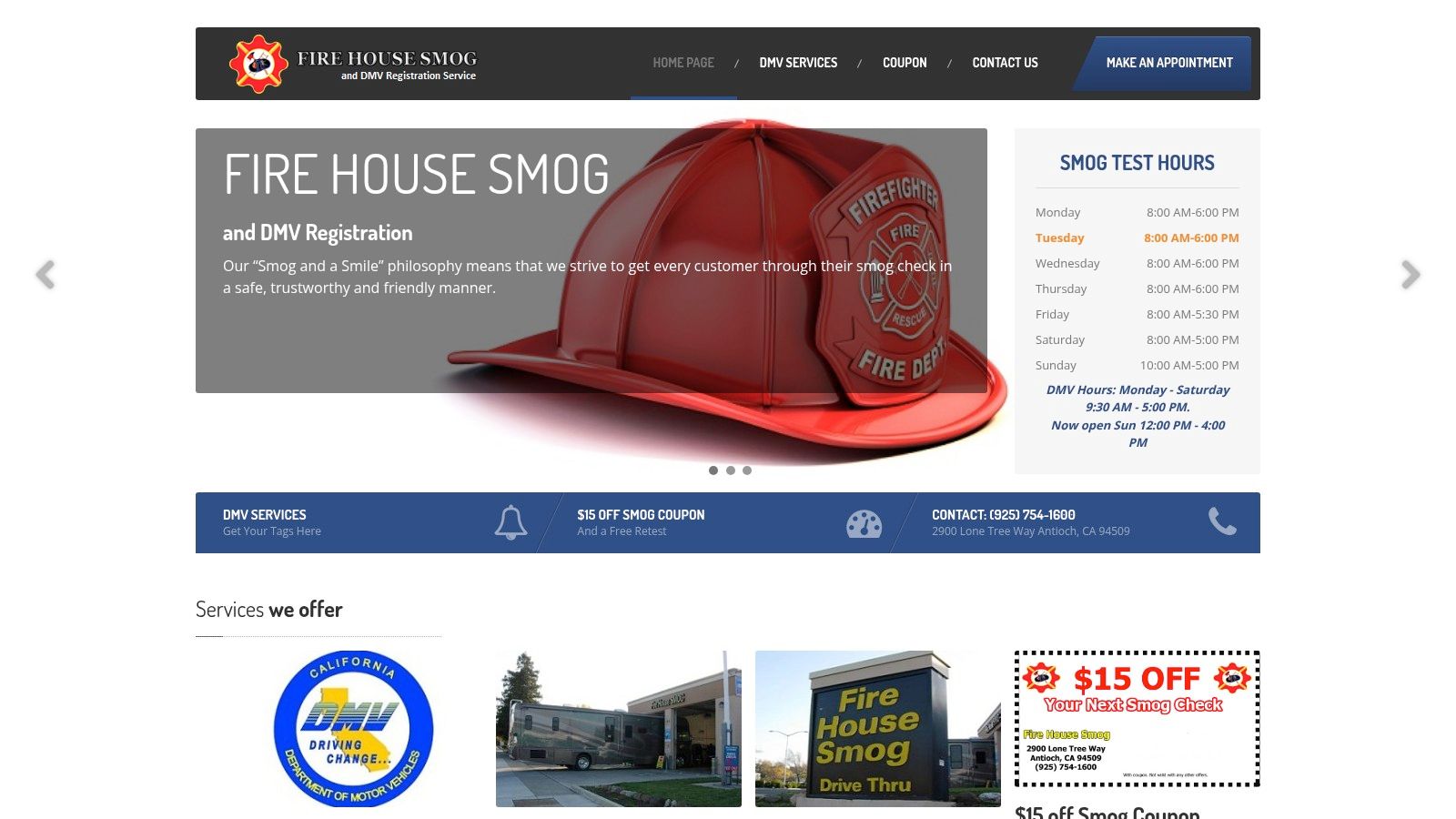
At Fire House Smog, the STAR test-only workflow uses two service bays. That capacity can help keep vehicles moving when one bay is occupied by a procedure or paperwork. It does not guarantee an immediate start, since the total visit still depends on the vehicle, the station's current workload, and the time needed for administrative steps.
A typical customer sequence
The process usually follows this order:
- Check in: Provide the requested vehicle and registration information.
- Confirm the test: The station identifies the STAR inspection procedures that apply.
- Move into a bay: The technician performs the applicable visual, functional, OBD, or tailpipe checks.
- Receive the result: The station records the outcome and gives you the relevant receipt or certification information.
The inspection is only one part of the timeline. The test-only format keeps the next decision clear: after the result is recorded, you know whether the vehicle passed or needs attention elsewhere. Drivers planning a focused visit can review the quick STAR smog service information beforehand. Calling ahead can also clarify arrangements for an unusually large vehicle or special equipment.
Comparing Standard and Extended Timelines
At Fire House Smog, a STAR test-only visit has two separate clocks: the time spent on the inspection and the time spent waiting, checking in, paying, or completing certificate processing. A vehicle that is ready and accepted promptly may need about 30 minutes for the inspection itself. The full visit can take longer.
| Scenario | Estimated Time |
|---|---|
| Vehicle is ready, the station has available capacity, and the inspection proceeds normally | About 30 minutes for the inspection, plus intake and processing |
| Vehicles are waiting ahead of you | Longer than the inspection estimate because the delay occurs before the vehicle enters a bay |
| Registration information, payment, or certificate processing needs extra attention | Longer than the hands-on inspection |
| The battery was recently disconnected or replaced and the monitors are not ready | Immediate testing may not be possible. Applicable readiness driving may take roughly a week or two |
| The check-engine light is illuminated | Repair is required before a passing result is possible |
| The vehicle fails and needs diagnosis or corrective work | The visit extends beyond the inspection, followed by a later retest after the issue is addressed |
This comparison separates inspection time from administrative and readiness delays. The about 30 minutes estimate describes the core STAR inspection, much like the time a technician spends examining a vehicle rather than the time a customer spends completing an entire appointment.
A queue adds time before testing begins. Paperwork or payment adds time after the inspection. A readiness problem changes the schedule more significantly because the vehicle may need additional driving before a valid test can occur. A failed test creates a separate repair and retest timeline.
A short visit is realistic when the vehicle is prepared and the station can accept it without a substantial queue. If a warning light is on or an emissions issue remains unresolved, schedule diagnosis first. Treating a STAR appointment as a troubleshooting visit can turn a focused inspection into a longer process.
Tips to Minimize Time Spent at the Station
A driver who arrives at Fire House Smog with the right documents and a prepared vehicle can keep the appointment focused on the inspection. Preparation cannot remove every queue or processing delay, but it can prevent avoidable interruptions before and after the hands-on test.
Before leaving, check the dashboard and consider the vehicle's recent history. A short drive may warm the engine, but it will not resolve an illuminated check-engine light or incomplete readiness monitors. If the battery was recently disconnected or replaced, tell the station and confirm whether the vehicle can be tested yet.
Use this checklist:
- Review the dashboard: Arrange repairs before testing if the check-engine light is illuminated.
- Confirm battery history: Mention any recent battery disconnection or replacement during intake.
- Bring documents: Keep registration information available for registration and certificate processing.
- Plan a buffer: Allow time for a queue, payment, and paperwork beyond the core inspection.
- Choose the right visit window: Extended weekday hours and weekend availability may help you fit the appointment around work.
- Ask about retesting: If the vehicle fails, confirm the station's current free-retest policy and any coupon terms before authorizing repairs.
Two service bays may help Fire House Smog keep vehicles moving, while testing seven days a week gives drivers more scheduling options. Required procedures still take their proper time, and an unready vehicle cannot be rushed through a valid test.
Visit Fire House Smog for a STAR test-only smog inspection in Antioch. Contact the station before arrival with questions about vehicle size, readiness monitors, retesting, or how much time to reserve.